Invisalign keeps winning over teens and adults because it straightens smiles without the look or feel of traditional braces. At Shannon Orthodontics, we’ve watched more patients than ever choose clear aligners. The reasons come down to flexibility, comfort, and a discreet appearance. We serve plenty of families in Kissimmee who want a straighter smile without metal showing in every photo. Here’s a closer look at how Invisalign works and why so many people prefer it.
What Is Invisalign?
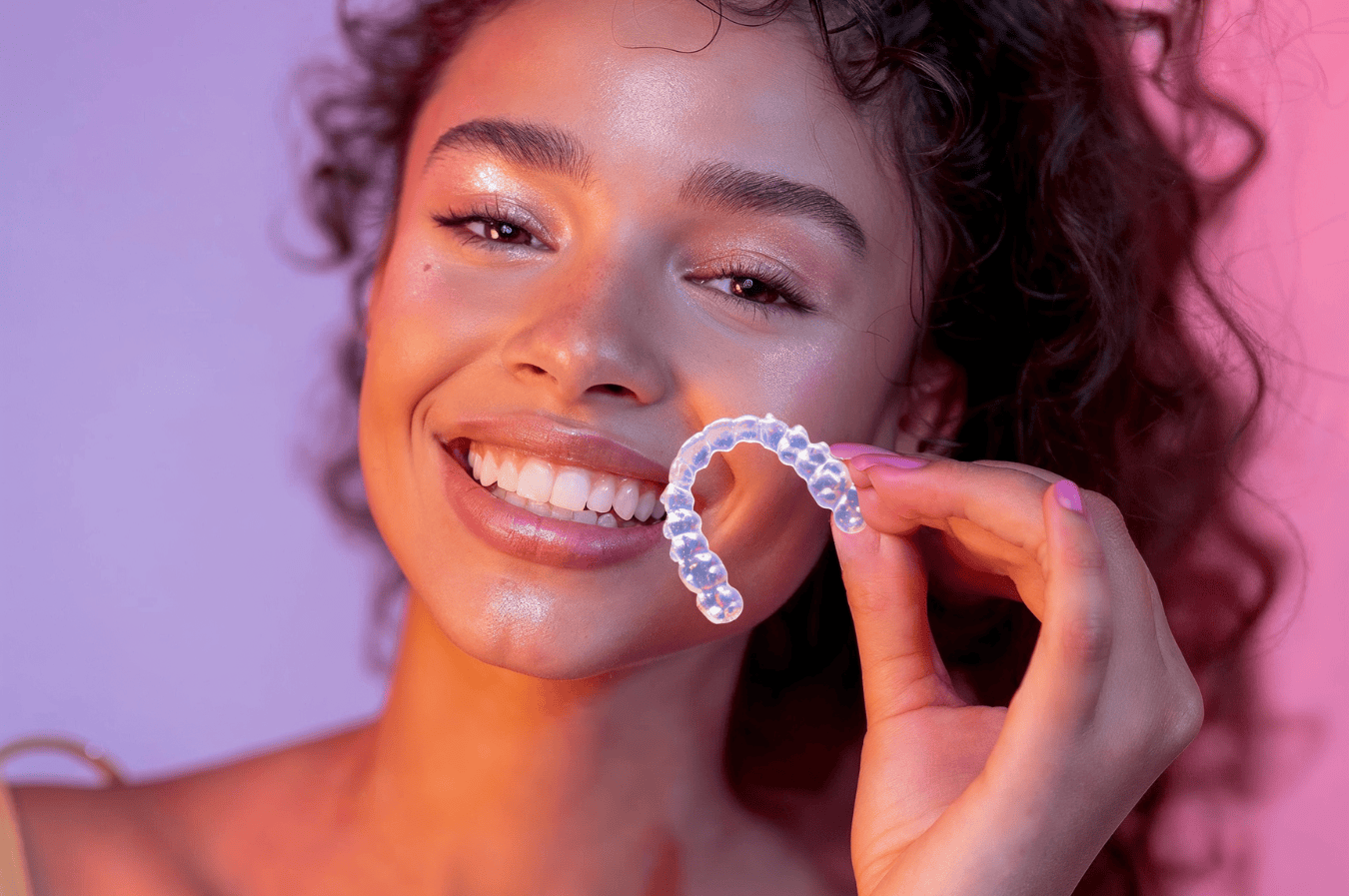
Invisalign is a system of clear, removable aligners that gradually straighten teeth without metal brackets or wires. Each aligner is custom-made from smooth, BPA-free thermoplastic using digital 3D scans of your smile. Worn in sequence, the trays shift teeth into position while staying nearly invisible to others.
Unlike traditional braces, Invisalign aligners can be taken out for meals, brushing, and special occasions. That makes them a popular choice for teens balancing school photos and sports, and Invisalign for adults appeals to anyone who wants a professional appearance during treatment.
The aligners are custom-fit to your teeth, so they sit snugly without irritating cheeks or gums. Our orthodontists use precise digital planning to map out each stage of movement, giving you a clear picture of how your smile will change over time.
How Invisalign Works
At Shannon Orthodontics, Invisalign treatment starts with a 3D digital scan of your teeth, which our board-certified orthodontists use to design a personalized treatment plan. You’ll wear a series of custom aligners 20 to 22 hours per day, switching to a new set every one to two weeks. Most patients complete treatment in 12 to 18 months with periodic progress checks, though timelines vary by case.
Here’s what the process looks like:
- Digital scan and planning. A quick, comfortable scan replaces messy impressions. Our orthodontists map every tooth movement digitally before your first aligner is made.
- Custom aligner series. Each set of aligners is designed to move specific teeth in small, planned increments.
- Daily wear. You’ll wear your aligners nearly all day, removing them only to eat, drink anything other than water, brush, and floss.
- Switching aligners. Every one to two weeks, you’ll move to the next set in the series as your teeth continue to shift.
- Progress check-ins. You’ll visit our practice every 6 to 10 weeks so our team can monitor progress and hand off your next aligners.
Treatment length depends on your starting point and how consistently you wear your aligners. Some cases finish faster, while more involved corrections take longer. If you’re weighing your options, our team can also walk you through traditional braces during the same visit.
Why Teens and Adults in Kissimmee Choose Invisalign
Clear aligners have become a top choice for teens and adults because they fit real life. The trays are nearly invisible, comfortable, and easy to manage day to day. Below are the benefits patients in Kissimmee tell us they love most.
Why Are Aligners More Discreet?
Clear aligners are barely noticeable in conversation, photos, and meetings. Teens appreciate the confidence boost, and working professionals can smile through presentations without worrying about brackets. According to the American Association of Orthodontists, demand for less visible options has grown steadily among adults. For many people, that low profile is the deciding factor.
How Do Removable Aligners Help With Meals and Hygiene?
You can take your aligners out to eat your favorite foods, then pop them back in afterward. Brushing and flossing happen the normal way, with no food restrictions and no special tools for cleaning around wires. Because you can clean your teeth without working around appliances, it’s easier to keep gums healthy throughout treatment.
What Makes Invisalign More Comfortable?
Smooth thermoplastic edges are gentler on cheeks and lips than metal brackets, so there’s less irritation during treatment. You’ll also make fewer trips to our practice. Most patients visit every 6 to 10 weeks rather than monthly, and there are fewer broken-bracket emergencies along the way. Patients find that combination easy to live with.
For families juggling school, sports, and work schedules, that flexibility makes a real difference.
Invisalign vs. Braces: Which Should You Choose?
Both Invisalign and traditional braces straighten teeth well, but they work differently. The right choice depends on your goals, your case, and your lifestyle. Here’s a side-by-side comparison to help you weigh your options.
| Feature | Invisalign | Traditional Braces |
|---|---|---|
| Visibility | Clear, nearly invisible | Visible metal brackets and wires |
| Comfort | Smooth, removable aligners | Fixed brackets may cause irritation |
| Eating | Remove to eat anything | Avoid hard, sticky, and crunchy foods |
| Oral hygiene | Brush and floss normally | Requires special tools and extra time |
| Office visits | Every 6 to 10 weeks | Typically every 4 to 8 weeks |
| Treatment scope | Most mild to moderate cases | Handles complex bite and alignment issues |
| Discipline required | Must wear 20 to 22 hours daily | Always working, no compliance needed |
Clear aligners are a great fit for patients who want a discreet option and will commit to wearing them consistently. Braces may be the better choice for younger patients or for cases involving significant bite correction or tooth rotation.
During your complimentary new patient exam, our orthodontists will review both options and recommend what’s best for your smile.
Invisalign Cost Factors
Most patients invest somewhere in the typical range for orthodontic care, with the exact cost depending on the complexity of your case, the length of treatment, and the number of aligners needed. Many find that insurance benefits, FSA or HSA accounts, and flexible payment plans help make treatment affordable. A consultation gives you an accurate, personalized estimate based on your specific smile goals.
Here’s what typically influences your total cost:
- Case complexity. Mild crowding or spacing usually requires fewer aligners than more involved corrections.
- Treatment length. Longer treatment plans involve more aligners and progress visits.
- Insurance coverage. Many orthodontic plans cover a portion of Invisalign, just as they would traditional braces.
- FSA and HSA funds. Pre-tax dollars from these accounts can be applied to orthodontic care.
- Payment plans. Our practice offers financial options and online payment to help fit treatment into your budget.
We’ll walk through every number with you before treatment begins, so there are no surprises.
Who Is a Good Candidate for Invisalign?
Clear aligners treat a wide variety of orthodontic issues, including crowding, gaps, and many common bite problems. They work best for motivated teens and adults who can commit to wearing their trays consistently. An evaluation with our board-certified orthodontists is the only way to know for sure if Invisalign is right for you, and it’s a popular question among patients across the Kissimmee area.
Good candidates typically share a few traits:
- Mild to moderate alignment issues, such as crowding, spacing, or minor bite concerns
- Consistency, since aligners only work when worn 20 to 22 hours per day
- Good oral health at the start of treatment, with no untreated cavities or gum disease
- Teens with erupted permanent teeth, who can benefit from Invisalign Teen with built-in compliance indicators
Some cases involving severe bite issues, significant tooth rotation, or jaw alignment may respond better to traditional braces or a combination of treatments. Our orthodontists will review your scans and X-rays to recommend the approach that will give you the healthy, confident smile you want. You can also explore our orthodontic treatment options to learn what else might fit your needs.
Frequently Asked Questions
How long does Invisalign treatment take?
Most patients complete Invisalign treatment in 12 to 18 months, though some cases finish in as little as six months and others take longer. The exact timeline depends on how much movement your teeth need and how consistently you wear your aligners. Our orthodontists will give you a personalized estimate after your evaluation.
Does Invisalign hurt?
Generally, Invisalign is more comfortable than traditional braces. You may feel mild pressure or tenderness for a day or two after switching to a new set of aligners, which is a sign the trays are working. Because there are no brackets or wires, you won’t experience the cheek and lip irritation that often comes with braces.
Can teens use Invisalign?
Yes. Invisalign Teen is designed specifically for younger patients. It includes blue compliance indicators that fade with wear, helping parents and our team confirm aligners are being worn enough each day. Teens with most or all of their permanent teeth can be excellent candidates.
How many hours a day must I wear aligners?
Aligners should be worn 20 to 22 hours per day for treatment to stay on track. That means removing them only to eat, drink anything other than water, and brush and floss. Wearing them less than recommended can slow your progress and extend your total treatment time.
Is Invisalign as effective as braces?
For most mild to moderate cases, Invisalign is just as effective as traditional braces. Braces may still be the better option for complex bite corrections or significant tooth rotation. The best way to find out which treatment fits your smile is to schedule your complimentary new patient exam with our orthodontists.
At Shannon Orthodontics, we’re a fun and energetic office where we love making you smile, and hablamos español. Whenever you’re ready to learn whether Invisalign is the right fit, our orthodontists are happy to talk through your options and answer your questions. We are eager to hear from you!