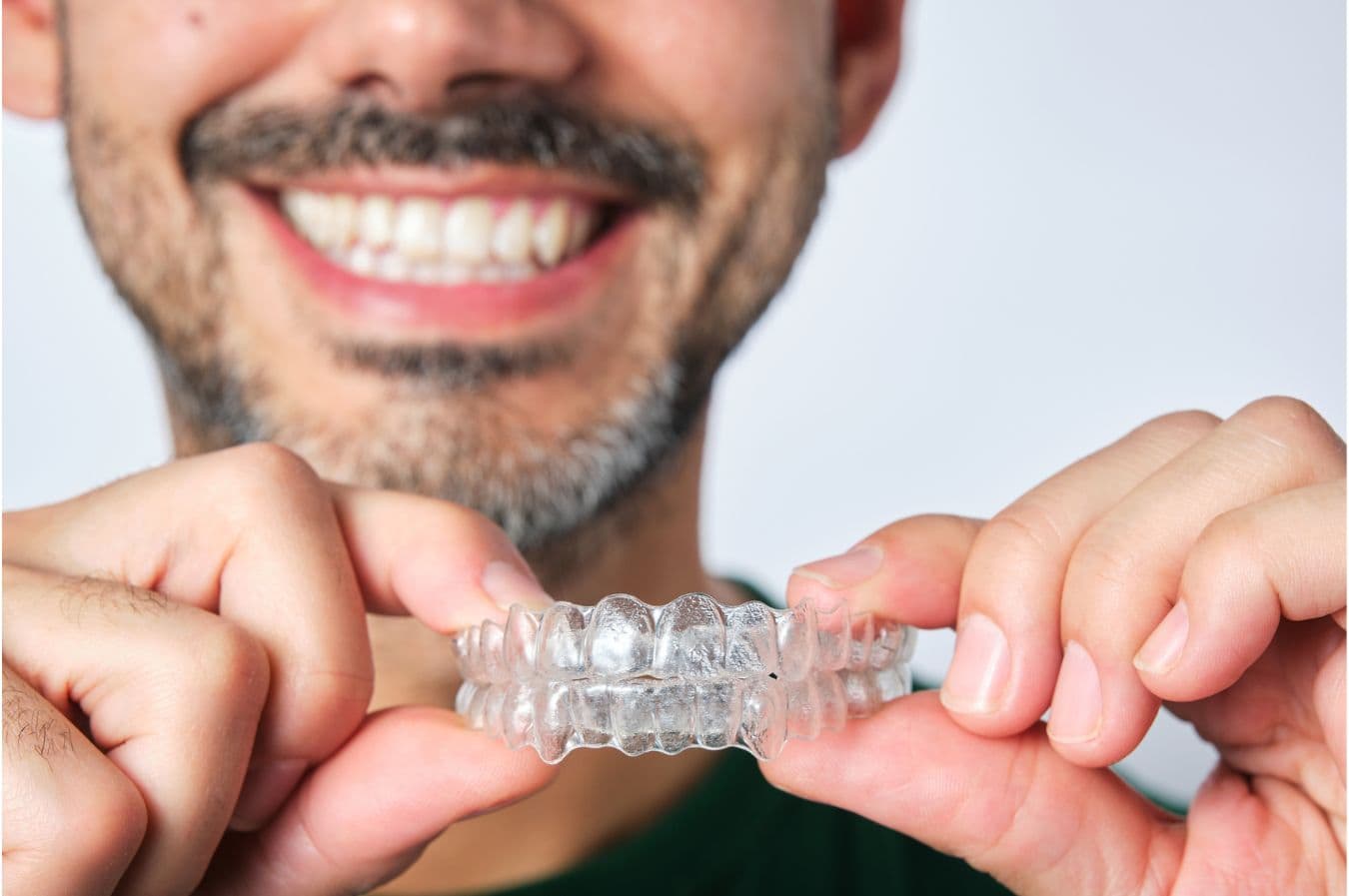
The newest Invisalign technology in 2026 combines AI-driven treatment planning, refined SmartTrack aligner material, and improved attachment design to deliver more predictable results in less time. Patients now benefit from digital 3D scans, predictive modeling, and aligners shaped for better tooth control, making clear aligner care more accurate and comfortable than before.
What Is the New Invisalign Technology in 2026?
The new Invisalign technology in 2026 refers to the latest generation of clear aligners powered by AI-assisted ClinCheck planning, advanced SmartTrack material, and refined attachment shapes. These upgrades work together to move teeth more precisely, shorten average treatment times, and replace messy molds with quick digital impressions for a more accurate fit.
So what does this mean for you as a patient at Shannon Orthodontics?
The 2026 SmartTrack material is engineered to apply gentler, more sustained force to your teeth. That steady pressure helps each aligner do its job better, which often means fewer surprises during treatment. The aligner edges are also smoother, reducing the rough spots that used to irritate cheeks and gums.
AI-assisted ClinCheck planning is another big change. Our orthodontists use predictive software to map every small movement of your teeth before your first aligner is made. You can actually preview a 3D model of your future smile during your complimentary new patient exam. This planning step helps catch potential issues early and creates a more accurate path from start to finish.
Digital 3D scanning has replaced traditional impressions almost entirely. Instead of biting into a tray of putty, our team uses a small handheld scanner to capture your teeth in minutes. The scan is sharper, more comfortable, and feeds directly into the design software. You’ll watch the image of your teeth build on screen in real time, which makes the whole experience feel modern and reassuring.
Improved attachment design rounds out the upgrades. The small tooth-colored shapes bonded to certain teeth now come in more forms, giving our orthodontists better grip for tricky movements like rotations.
The result? Faster, more comfortable, and more accurate care.
How 2026 Invisalign Treatment Works Step by Step
The 2026 Invisalign process follows six clear steps. It starts with a digital 3D scan and consultation, then moves to AI-assisted ClinCheck planning, custom SmartTrack aligner fabrication, daily wear of each set, periodic check-ins (sometimes with remote monitoring), and a retainer phase. Each step builds on the last to guide your teeth into their final position with precision.
Here’s how it unfolds at our practice for patients in Davenport, FL:
- Digital 3D scan and complimentary new patient exam. Our orthodontists examine your bite, take a quick digital scan, and discuss your goals. No molds, no mess.
- With AI-assisted ClinCheck planning, predictive software builds a 3D preview of your treatment, showing each tooth movement from start to finish. You’ll see your projected smile before treatment begins.
- Custom SmartTrack aligners are fabricated. Your trays are manufactured to exact specifications and shipped to our practice in sets.
- Each set is worn 20-22 hours daily. You’ll swap to the next aligner weekly or biweekly, depending on your plan. Take them out only to eat, drink anything besides water, and brush.
- Periodic check-ins. Some patients visit every 6-10 weeks, while others use remote monitoring apps that let our team review progress from photos you submit at home.
- Retainer phase. Once your teeth reach their final position, you’ll wear a retainer to keep your healthy, confident smile in place.
According to the American Association of Orthodontists, clear aligner therapy works best when patients follow wear-time guidance consistently. That’s why we walk every patient through what to expect during their first visit.
Benefits of 2026 Invisalign Innovations
The 2026 updates bring real, day-to-day improvements for patients.
Is It More Comfortable Than Older Aligners?
Yes. SmartTrack material has refined, smoother edges that reduce rubbing against cheeks and gums. The gentler force also means less soreness when switching to a new aligner, so each transition feels easier than it did with earlier systems.
Will Treatment Finish Faster?
In many cases, yes. AI planning improves accuracy from day one, which reduces the need for refinements later. While every case is different, many patients finish sooner than they would have with older aligner systems.
Nearly invisible appearance
The trays are clear and fit snugly, so most people won’t notice them at all. This makes Invisalign a strong choice for teens, working professionals, and anyone who’d rather not draw attention to their orthodontic care.
Easy to remove for eating and cleaning
You don’t have to give up popcorn, apples, or corn on the cob. Brushing and flossing stay simple too, because nothing is bonded to your teeth the way fixed appliances are.
Better predictability
With AI-assisted planning, our orthodontists spot potential issues before they happen. Fewer mid-treatment surprises means a smoother experience overall.
Supports oral health
Removable aligners are easier to clean around than brackets and wires, which helps reduce plaque buildup during treatment. Healthier gums and cleaner teeth are an added bonus while you straighten your smile.
Shannon Orthodontics is glad to offer this updated technology to patients across the area.
2026 Invisalign vs Traditional Braces: A Comparison
Both options can produce excellent results. The right one depends on your case, lifestyle, and goals.
| Feature | 2026 Invisalign | Traditional Braces |
|---|---|---|
| Visibility | Clear, nearly invisible | Metal, ceramic, or gold brackets visible |
| Removable | Yes, 20-22 hours daily wear | No, fixed to teeth |
| Eating restrictions | None, remove to eat | Avoid sticky and hard foods |
| Brushing and flossing | Easy, remove aligners | Requires extra tools and technique |
| Comfort | Smooth plastic edges | Brackets and wires can irritate |
| Visit frequency | Every 6-10 weeks, sometimes remote | Typically every 4-8 weeks in person |
| Best for | Mild to moderate cases | Complex bite and rotation cases |
For most patients, clear aligners come out ahead on appearance and everyday convenience because you can take them out and nobody notices them. Traditional braces still hold an edge for severely rotated teeth, significant bite corrections, or cases that need precise control our orthodontists can only achieve with brackets and wires. Modern ceramic and gold braces also offer more discreet options for patients who need fixed appliances.
Remote monitoring is another major difference. Many 2026 Invisalign patients submit photos through an app between visits, which means fewer trips to the practice. Braces still require in-person adjustments because the wires need to be physically changed.
During your complimentary new patient exam, our team will recommend the option best suited to your bite, lifestyle, and timeline.
What Affects the Cost of Invisalign in 2026
The cost of Invisalign in 2026 depends on five main factors: case complexity, treatment length, insurance coverage, financing options, and the provider’s technology and expertise. Simple cases with fewer aligner sets cost less than complex cases that need many trays and refinements. Insurance and FSA/HSA accounts can also reduce your out-of-pocket expense.
Here’s a closer look at each factor:
- Case complexity. Mild crowding typically needs fewer aligners than a case involving rotations, spacing, and bite correction. More aligners and longer treatment generally means a higher fee.
- Treatment duration and refinements. Some patients need a second round of aligners (called refinements) to perfect the final result. Whether these are included in your base fee varies by practice.
- Insurance coverage. Many dental plans now include orthodontic benefits that apply to Invisalign. FSA and HSA dollars can also be used.
- Financing and payment plans. At Shannon Orthodontics, we offer Financial Options and Online Payment to help make treatment fit your budget.
- Technology and provider expertise. Practices using the latest 2026 scanning and AI planning tools, along with experienced orthodontists, typically include those advantages in their fee.
We’re happy to discuss specific pricing during your visit so you know exactly what to expect.
Are You a Candidate for 2026 Invisalign?
Most teens and adults with mild to moderate orthodontic issues are good candidates for 2026 Invisalign. The latest technology has expanded what aligners can treat, including crowding, spacing, crossbites, and many bite problems. A short consultation and digital scan are the only way to know for sure.
You may be a strong candidate if you have:
- Mild to moderate crowding or gaps
- Most or all permanent teeth erupted
- A bite issue Invisalign can address with current technology
- The discipline to wear aligners 20-22 hours every day
- A desire for a discreet treatment option
A few situations call for traditional braces or a combined approach. Severely rotated teeth, significant skeletal jaw discrepancies, or cases that require surgery often respond better to fixed appliances. Very young children whose permanent teeth haven’t come in yet may benefit from early orthodontics with different appliances first.
Wear time is the biggest factor patients sometimes underestimate. Aligners only work when they’re in your mouth. If you take them out for long lunches, snacks throughout the day, or forget to put them back in after dinner, treatment will slow down.
The good news is that confirming candidacy is simple. Our orthodontists will examine your teeth, take a digital scan, and review your AI-generated treatment preview during your complimentary new patient exam. Patients in Davenport, FL leave that first visit knowing whether Invisalign is right for them, and what their timeline could look like.
Frequently Asked Questions About 2026 Invisalign
How long does Invisalign take in 2026?
Most patients finish treatment in 6 to 18 months, though timelines vary by case. Mild crowding may wrap up in under a year, while more involved corrections take longer. The AI-assisted planning used in 2026 helps our orthodontists give you a more accurate estimate at your first visit.
Does new Invisalign technology hurt?
The 2026 SmartTrack material is designed for gentler, more sustained force, which generally feels more comfortable than older aligner systems. You may notice mild pressure or tenderness for a day or two after switching to a new set. That feeling usually fades quickly and is a sign your teeth are responding to treatment.
Can teens use the latest Invisalign?
Yes, teens are excellent candidates for the latest Invisalign. The system includes features like compliance indicators that fade with proper wear, helping parents and our team confirm the aligners are being worn enough each day. Many teens prefer aligners because they can take them out for sports, photos, and special events.
How often do I need office visits with remote monitoring?
With remote monitoring, many patients only visit every 8-10 weeks instead of every 4-6 weeks. You submit photos through a phone app, and our team reviews your progress between appointments. In-person visits are still important for major checkpoints, but the overall number of trips to the practice goes down.
Is Invisalign as effective as braces for my case?
For most mild to moderate cases, yes. The 2026 updates have closed much of the gap that used to exist between aligners and braces for things like rotations and bite correction. Some complex cases still respond better to braces, and our orthodontists will be honest with you about which option gives you the best result.
How do I care for and clean my aligners?
Rinse your aligners every time you take them out and brush them gently with a soft toothbrush and clear soap. Skip toothpaste, which can scratch the surface and make them more visible. Soak them in Invisalign-approved cleaning crystals or tablets a few times a week to keep them clear and fresh, and always brush your teeth before putting them back in.
You’re sure to feel at home in our fun and energetic office, where we love making you smile. Hablamos español. Our orthodontists and experienced team are members of the American Association of Orthodontists, and we’d love to help you find out if 2026 Invisalign fits your smile goals. We are eager to hear from you!