Finding the right orthodontist shapes your entire treatment experience. If you want more than straight teeth, you’re not alone. Most patients searching for what to look for in a modern orthodontist this year want advanced care, clear communication, and a team that treats you like family from day one. At Shannon Orthodontics, that’s exactly the standard we hold ourselves to.
What Defines a Modern Orthodontist in Kissimmee FL?
A modern orthodontist blends advanced technology with personalized care for patients of every age. Look for digital scanning, 3D imaging, and treatment options like Invisalign, ceramic braces, and traditional metal braces. Board certification and continuing education show the doctor stays current with the best techniques available. Every orthodontist completes dental school plus two to three additional years of specialty training, so that depth of education sets the specialty apart.
Technology matters, but so does experience. The best practices offer care for kids, teens, and adults under one roof. That means flexibility in treatment planning, comfortable office spaces, and bilingual support when needed. Patients in and around Kissimmee deserve a team that delivers all of this together.
At Shannon Orthodontics, our orthodontists, Dr. Chris Shannon, DDS, and Dr. Tyrel Larsen, DDS, MS, bring training that meets today’s standards. Both doctors are active members of the American Association of Orthodontists (AAO), the Southern Association of Orthodontists, the American Dental Association, and the Florida Dental Association. We’re also a proud Invisalign provider, and hablamos español for our Spanish-speaking patients.
You deserve a practice that feels welcoming the moment you walk in. That’s exactly what we aim to deliver.
How a Modern Orthodontic Practice Works
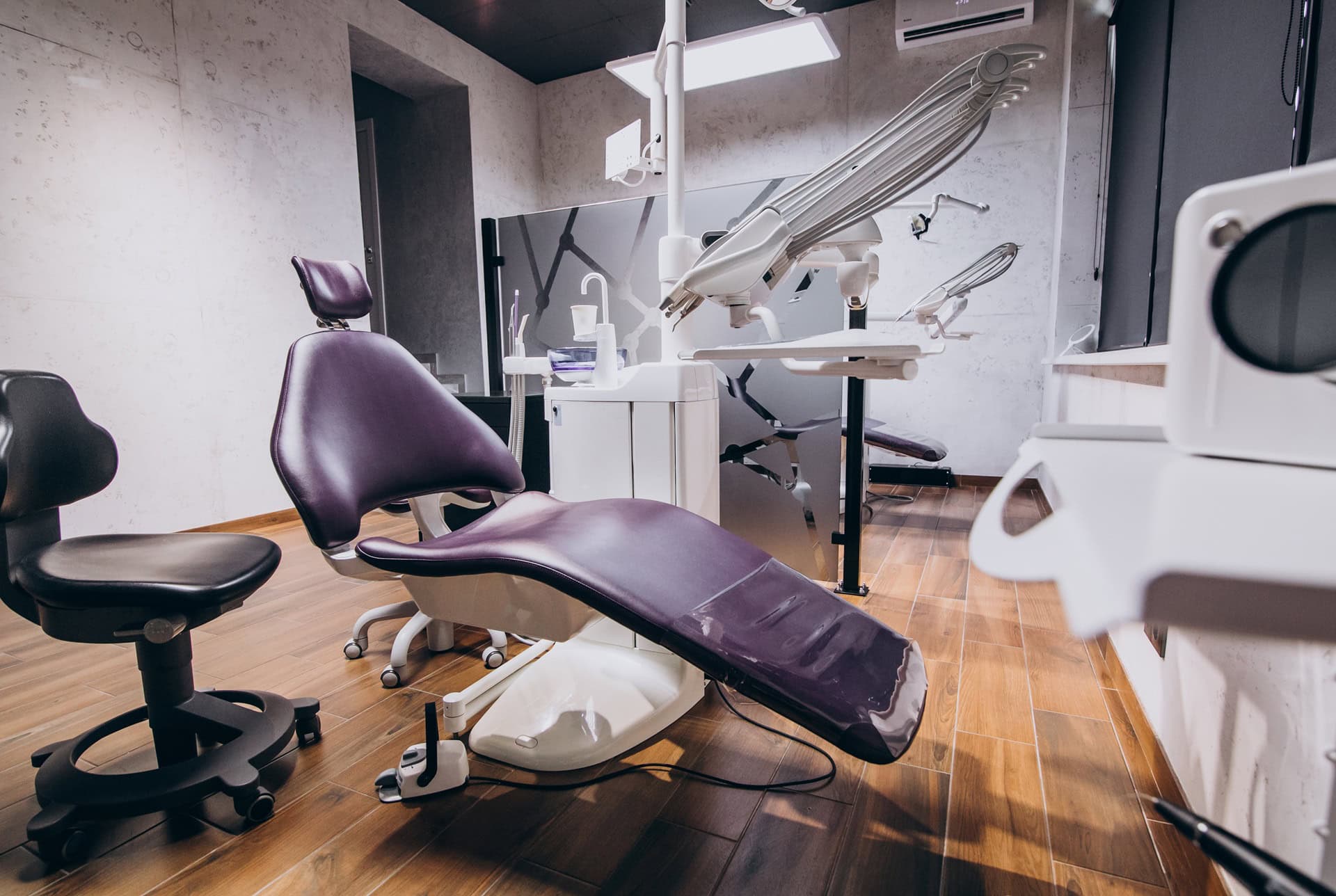
A modern orthodontic practice starts with a complimentary new patient exam that includes digital scans, photos, and a custom treatment plan. Intraoral scanners capture your teeth in minutes, replacing messy putty impressions. Your orthodontist then explains your options, timeline, and costs so you can make a confident decision.
Once treatment begins, the steps depend on the option you choose. Here’s what to expect:
- Initial visit with digital scans, X-rays, and a treatment consultation
- Custom plan creation using 3D imaging and modeling software
- Treatment start with braces placement or your first set of Invisalign aligners
- Regular check-ins every 4 to 8 weeks for adjustments or new aligners
- Retention phase with retainers to keep your new smile in place
Up-to-date offices use technology to make each step smoother. Digital records mean faster appointments and clearer progress tracking. Treatment plans can cover early orthodontics for kids, full treatment for teens, and discreet options for adults.
According to the American Association of Orthodontists, every orthodontist is a dentist, but only a small share of dentists go on to become orthodontists. That extra training matters when you’re choosing care for your smile.
Benefits of Choosing a Modern Orthodontist
The right orthodontist gives you more than straight teeth. You get a healthier mouth, a confident smile, and treatment options that fit your lifestyle. Here’s what stands out:
- A healthy, confident smile. Straight teeth boost how you feel in photos, meetings, and everyday conversations.
- Better oral health. Aligned teeth are easier to brush and floss, which lowers your risk of cavities and gum disease.
- Discreet treatment choices. Invisalign and clear ceramic braces let you straighten teeth without drawing attention.
- More comfortable care. Modern brackets, wires, and aligners are designed to reduce soreness and shorten appointments.
- Personalized plans for every age. Kids, teens, and adults each get a plan built around their needs.
Advanced techniques also tend to make treatment more efficient. Digital monitoring helps your orthodontist catch small issues early, which can keep your total treatment time on track. Families across Kissimmee appreciate how that efficiency saves both time and stress over the course of care.
For families, that flexibility is a big deal. Mom, Dad, and the kids can all get care in the same fun and energetic office, often on the same day.
Which Orthodontic Treatment Option Is Right for You?
Today’s orthodontic options give you real choice. Each one has strengths depending on your goals, age, and lifestyle. The table below breaks down the main differences:
| Treatment Option | Visibility | Best For | Lifestyle Fit |
|---|---|---|---|
| Invisalign | Nearly invisible | Teens and adults wanting discreet care | Removable for eating and cleaning |
| Clear Ceramic Braces | Blends with tooth color | Adults and teens wanting low-profile braces | Fixed, less noticeable than metal |
| Traditional Metal Braces | Visible silver brackets | All ages, complex cases | Durable and reliable |
| Gold Braces | Gold-tone metal | Patients wanting a unique look | Same strength as metal |
| Mini Metal Braces | Smaller silver brackets | Patients wanting less metal showing | Comfortable, lower profile |
| WildSmiles Braces | Fun shaped brackets | Kids and younger teens | Personality-filled designs |
Invisalign works well for patients who want flexibility and discretion. Clear ceramic braces give you a fixed option that blends in. Traditional metal, gold, and mini metal braces handle a wide range of cases reliably. WildSmiles braces, with shapes like stars and hearts, turn treatment into something kids look forward to.
Our orthodontists can walk you through which option fits your case. Some patients qualify for several treatments, and the final choice often comes down to lifestyle and personal preference. Whether you prefer something nearly invisible or want the dependable strength of metal, there’s a path that fits your daily routine and your goals.
Cost Factors to Consider This Year
Orthodontic cost depends on three main drivers: your treatment type, the complexity of your case, and how long you’ll be in care. Invisalign and ceramic braces often cost more than traditional metal braces because of the materials and technology involved. Most practices offer payment plans and help coordinate with insurance, so your monthly cost stays manageable.
Here’s what affects your final price:
- Treatment type. Clear aligners and ceramic options usually run higher than metal braces.
- Case complexity. Minor crowding costs less to treat than full bite correction.
- Treatment length. Cases lasting 12 months differ from those running 24 months or more.
- Add-ons. Retainers, X-rays, and specialty appliances may be separate line items.
When you’re comparing practices, ask what’s included in the quote. A good orthodontist will give you a written estimate that covers exams, adjustments, retainers, and follow-up visits. That upfront clarity helps you plan your budget without surprises down the road.
At Shannon Orthodontics, we offer financial options and online payment to make budgeting easier. Your complimentary new patient exam includes a full cost breakdown, so you know exactly what to expect before treatment begins.
Are You a Candidate for Modern Orthodontic Treatment?
Most people are candidates for modern orthodontic care, no matter their age. The right time to start depends on your dental development and goals:
- Children (around age 7). The AAO recommends an early evaluation by age 7. Not every child needs treatment right away, but our orthodontists can spot bite issues, crowding, or jaw growth concerns early.
- Teens. As permanent teeth come in, teens are classic candidates for braces or Invisalign Teen. This is often the easiest time to correct alignment.
- Adults. It’s never too late. Adults can correct crooked teeth, gaps, and bite problems with discreet options like Invisalign and ceramic braces.
Common issues we treat include crowding, spacing, overbites, underbites, crossbites, and jaw misalignment. Even if you had braces years ago and your teeth shifted, treatment can put your smile back where you want it. Patients throughout Kissimmee and the surrounding communities come to us with exactly these concerns.
Your complimentary new patient exam will tell you exactly what’s possible. We’ll review your scans, talk through your goals, and recommend the best option for you.
Frequently Asked Questions
How do I know if an orthodontist is qualified?
Look for board certification, AAO membership, and an active commitment to continuing education. Every orthodontist completes dental school plus two to three additional years of specialty training. Ask about credentials at your first visit, and check that the practice is recognized by groups like the American Association of Orthodontists.
What technology should a modern orthodontist have?
A well-equipped practice should use digital intraoral scanners, 3D imaging, and digital treatment planning software. These tools replace messy impressions and give you clearer pictures of your progress. Invisalign providers also use specialized software to map out aligner movement step by step.
How long does orthodontic treatment take?
Most orthodontic treatment takes between 12 and 24 months, though some cases finish sooner and others take longer. Your timeline depends on the complexity of your case, the treatment type you choose, and how closely you follow your orthodontist’s instructions. Wearing aligners as directed or keeping rubber bands in place makes a big difference.
Is Invisalign better than braces?
Neither option is universally better; they’re just different. Invisalign offers a nearly invisible, removable option that many teens and adults prefer. Braces work better for complex cases and don’t rely on patient compliance. Our orthodontists can help you decide which option fits your case and lifestyle best.
When should my child first see an orthodontist?
The American Association of Orthodontists recommends a first orthodontic visit by age 7. At this age, enough permanent teeth have come in for an orthodontist to spot developing issues like crowding or bite problems. Early evaluation doesn’t always mean early treatment, but it gives our doctors a chance to monitor growth and step in at the right moment. Families across Kissimmee often start here, and we’re eager to hear from you when you’re ready to schedule your complimentary new patient exam.